
Energy costs are rising, and every building owner or energy manager wants to save energy without reducing comfort. One of the simplest opportunities lies in the ventilation fans that run daily in lecture halls, offices, and classrooms.
Slowing a fan can save a huge amount of energy. A 20% speed reduction can almost halve energy use but doing this manually or on a timer is rarely effective. Fans need to respond to real conditions, not fixed schedules. That is where our sensors make the difference.
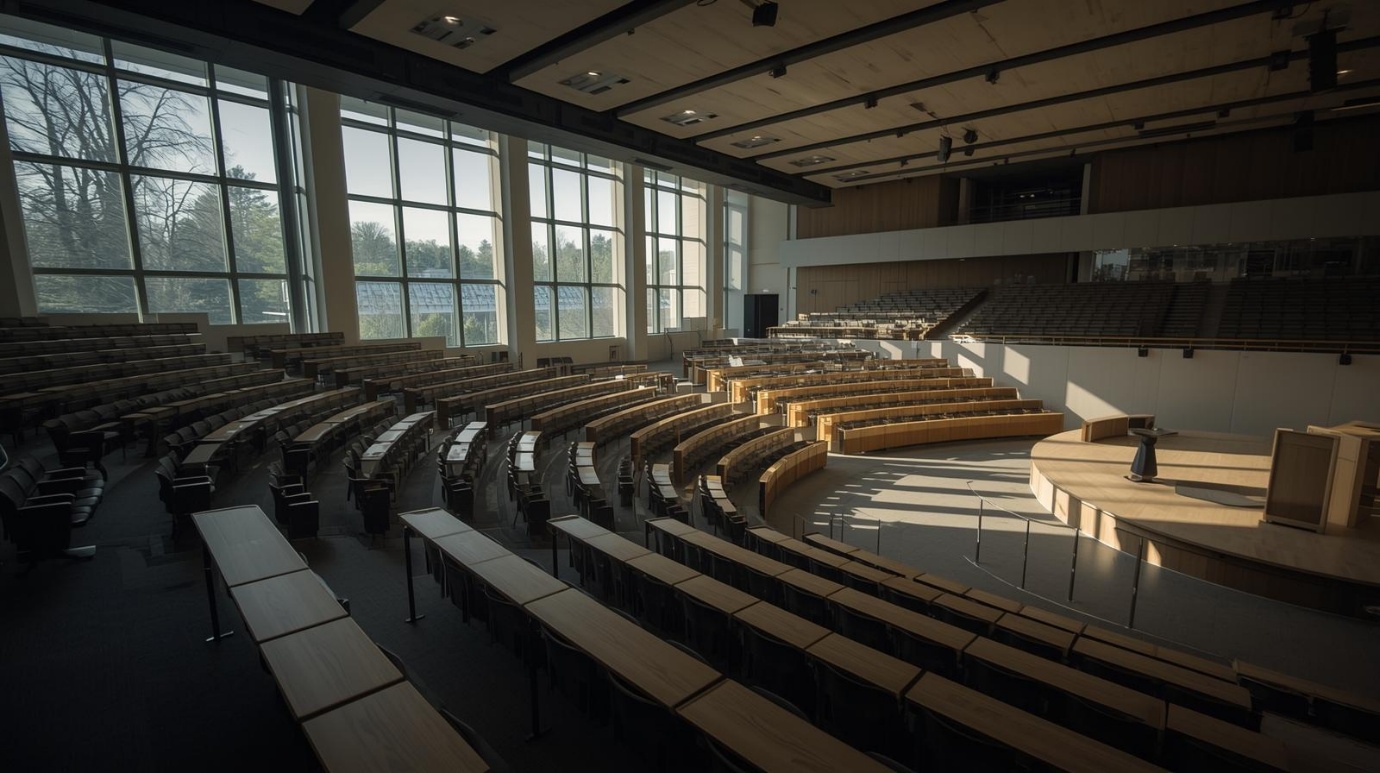
Take a university lecture hall as an example. On Monday morning it is packed with 200 students, by Friday it is half full, and at the weekend it may be empty. Yet in many buildings, the fan still runs at the same high speed, wasting energy and over-ventilating empty spaces. Our sensors change that by allowing real-time adjustment. CT sensors measure current use, PIR sensors detect occupancy, people counters can give an accurate occupancy count and air quality sensors track CO₂, humidity, and temperature. When the air is fresh or the room is empty, the fan automatically slows down or switches off. When the hall fills again, it speeds up just enough to maintain comfort.
By letting the fan respond to actual demand, energy use can fall by 50–80%. When the lecture hall is full, airflow rises smoothly. When it empties, the fan slows to save energy. At night or on weekends, it can stop altogether.
Manual control cannot match this precision. Occupancy and air quality shift constantly. A single speed setting may be too low during peak use and too high when no one is there. HSE guidance notes that workplaces should get about 5–8 litres of fresh air per second per person, or around 2.5 air changes per hour in classrooms, with CO₂ ideally below 1500 ppm. Our sensors make it possible to maintain those levels automatically without wasting energy.
For building owners and energy managers, the benefits are clear: lower bills, longer fan life, and healthier air, all with minimal effort. Every kilowatt saved is recorded, simplifying ESOS, ISO 50001, and sustainability reporting. In the end, you cannot improve what you do not measure, and our sensors make sure you can measure everything that matters.
Not sure where to start? Book a meeting with our engineer to discuss our different monitoring and integration options.